Gardener in London for practical, well-planned garden care

Our gardener service in London covers the day-to-day work that keeps outdoor spaces tidy, workable and easier to enjoy. We handle regular maintenance, one-off tidy-ups and more involved seasonal tasks with a straightforward approach that suits front gardens, back gardens and shared outdoor areas. If you need a dependable team for routine care, sharper presentation or a clearer plan for neglected beds and lawns, we focus on the tasks that make the biggest visible difference.
The service is built around useful garden work, not guesswork. That can include mowing, edging, hedge trimming, pruning, weed control, leaf clearance, planting support and general tidying, depending on what your space needs. We can also advise on the order of work where several jobs are required, so the garden is treated sensibly rather than tackled in a rushed or random way.
For a quotation, it helps to know the size of the space, the condition it is in and the type of work you want carried out. A clear description is usually enough to start. You can then decide whether you want a regular visit, a one-off improvement or a combination of services. If you are comparing options, pricing and quotes is a useful place to begin.
Regular garden maintenance that keeps things under control
Routine garden maintenance is often the most effective way to prevent small jobs becoming larger, slower and more expensive to resolve. It can involve grass cutting, border tidying, hedge trimming, weeding and general housekeeping around paths, patios and planted areas. The aim is to keep the space manageable, reduce overgrowth and make the garden easier to use without turning every visit into a major overhaul.
We can shape maintenance around the condition of the garden and the level of care it needs. Some spaces only need light attention at sensible intervals, while others benefit from a fuller visit after periods of growth or bad weather. Where there are several different tasks, we can sequence them logically so the more awkward work is done first and the finer finishing touches are left until last.
When a garden has become a little untidy, a simple checklist can help you decide what matters most. Typical priorities are:
- cutting grass to a tidy, even finish
- reducing hedge and shrub growth
- removing weeds from beds and paved areas
- clearing leaves and light debris
- bringing edges, paths and borders back into shape
Lawns, grass cutting and the finishing details that matter

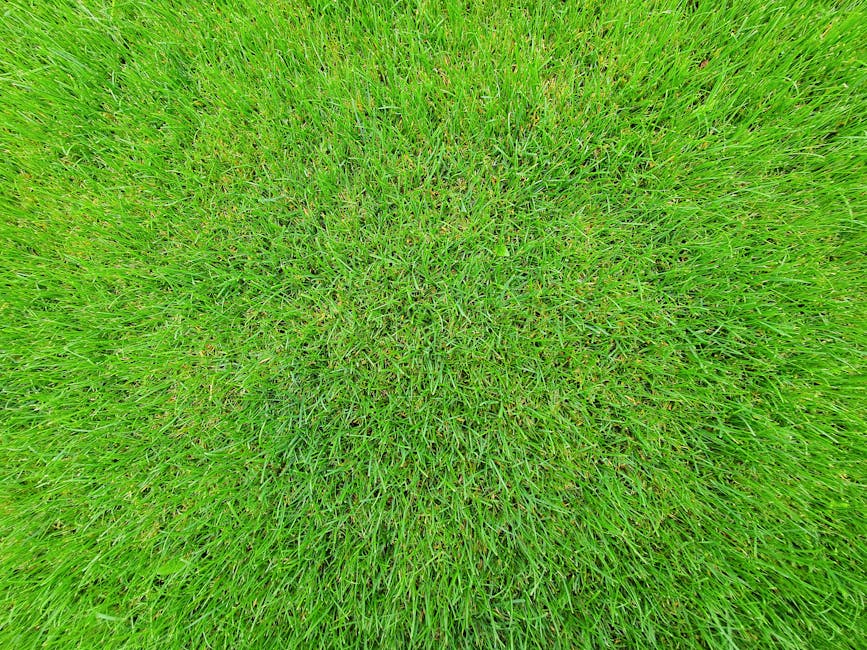
A well-kept lawn changes the feel of a whole garden, even when the rest of the space is simple. Our grass cutting and lawn mowing work is aimed at creating a neat, even result that suits the condition of the lawn rather than forcing it into one rigid routine. That means paying attention to cut height, edging and the appearance of the boundaries as well as the central mowing itself.
Lawns often need more than a quick pass with a mower. Overgrown grass may need to be reduced in stages, while thinner areas need a careful approach that avoids unnecessary strain. Where the lawn is uneven or awkwardly shaped, the finished look depends on attention to detail along the edges, around trees and against borders. If turf is patchy, the result may be improved through separate work rather than repeated cutting alone.
For more information on routine turf care and the related options available, lawn mowing services covers the work in greater detail. We also support gardens that need broader grass cutting rather than a lawn-only approach, and you can see how that fits into our wider maintenance offer through grass cutting service.
Hedges, pruning and shaping garden growth properly
Hedge trimming and light pruning help a garden look more deliberate and less crowded. These tasks are not just about appearance; they also affect light levels, access and the relationship between different parts of the garden. A hedge that has gone too far can overshadow beds or paths, while untrimmed shrubs may take over space needed for circulation or planting.
We approach trimming with the shape of the plant and the intended use of the space in mind. That means deciding whether a hedge needs a tidy, formal finish or a softer reduction, and whether shrubs should be lightly shaped or cut back more decisively. Where there are mature trees or thicker woody stems, additional care is needed so the work remains appropriate to the plant and the setting.
If you are dealing with more substantial growth, the related services can help you choose the right level of work. hedge trimming is suited to routine cutting and shaping, while tree cutting service is relevant where larger woody growth needs attention. For heavier tree work, the separate tree surgeon page explains a more specialist route.
Clearing space, removing waste and starting again neatly

Some gardens need clearance before they can be maintained properly. That may mean removing accumulated green waste, broken items, fallen branches, old containers or general clutter that has built up over time. Clearance work is useful when a space has become difficult to access, when planting areas are hidden, or when you need to prepare for new work rather than simply tidy what is already there.
Garden clearance can be selective or more comprehensive, depending on what is in the space and what you want to keep. In some cases, the priority is to remove enough material to restore visibility and access. In others, the aim is to strip the area back so it can be replanned or reworked. The right method depends on the material involved and whether the garden needs light cleaning, heavy clearance or both.
Where a clearance project is linked to broader improvements, we can also support the next stage of work. That may include renewed maintenance, re-edging, planting, turf preparation or hard-surface cleaning. For a closer look at the clearance side of the service, see garden clearance. If the work forms part of a wider redesign, garden services gives a broader overview of what can be combined.
Landscaping and garden improvement with a practical focus
Landscaping work can range from modest improvements to more visible reshaping of the garden. It may involve redefining planting areas, improving the layout of paths, refreshing tired surfaces or preparing the ground for new features. We keep the emphasis on what will actually improve the space rather than on unnecessary disruption or overcomplicated changes.
Good landscaping should make the garden feel easier to use and easier to maintain. That might mean adding structure, improving drainage in a patch of ground, refreshing boundary lines or introducing materials that suit the rest of the space. Where the garden needs a balance of hard landscaping and planting, the aim is to make the finished result coherent rather than crowded. Practical planning matters just as much as the visible finish.
If you want a broader view of design-led work, landscape gardening and landscaping both sit close to this part of the service. For teams focused specifically on outdoor design and build work, landscape gardeners is also relevant. A useful conversation at this stage is usually about what should stay, what should change and what order the work ought to follow.
Hard surfaces, decking and fence-related garden works
Many gardens need more than plant care. Paths, patios, fencing and decked areas all affect how the garden looks and how easy it is to use. We can help with related outdoor improvement work where the goal is to make the space feel more complete, safer to move through or easier to maintain. This can be especially useful when the planted areas are in good order but the structure around them is not.
Hard-surface and boundary work is often best judged alongside the rest of the garden rather than in isolation. A worn patio or tired fence can change how the whole area feels, and a decked section can make sense only if it fits the available space and the way you use it. The most effective improvements are usually the ones that support the rest of the garden instead of competing with it.
For detailed service pages, the relevant options include decking services, garden decking service, garden fence installation and garden fence replacement. If you are looking more broadly at boundary and surface work, garden fencing and patio cleaning are useful companion pages.
About London

London is a large and layered city shaped by centuries of growth along the River Thames and by the joining together of many older settlements, villages and estates. The historic core around the City of London developed as a Roman settlement, while Westminster grew as a separate political and royal centre. Over time, the metropolitan area expanded through transport, trade and housing, eventually becoming a global capital with boroughs that retain distinct local identities. Its built environment ranges from medieval churches and Georgian terraces to Victorian railways, post-war estates and contemporary towers, often within a few streets of one another. The Thames remains one of the city’s strongest geographic features, crossed by a long series of bridges and lined with embankments, wharves and riverside walks. Large open spaces such as Hyde Park, Regent’s Park, Hampstead Heath, Richmond Park and Wimbledon Common provide contrast to the dense urban fabric, while smaller squares, churchyards and pocket parks punctuate residential neighbourhoods. The city is also known for its museums, theatres, markets and institutions, from the South Bank arts area to Covent Garden, Greenwich, the museums of South Kensington and the formal government buildings around Whitehall and Parliament Square. Rail termini, Underground lines and bus corridors connect the many districts that make up the capital, and the variation between inner boroughs and outer suburban areas is visible in street pattern, building height and the balance between commercial and residential use. This combination of history, density and variety gives London a landscape that is both recognisably unified and highly local at the same time.
Planting, beds and the quieter details that finish a garden
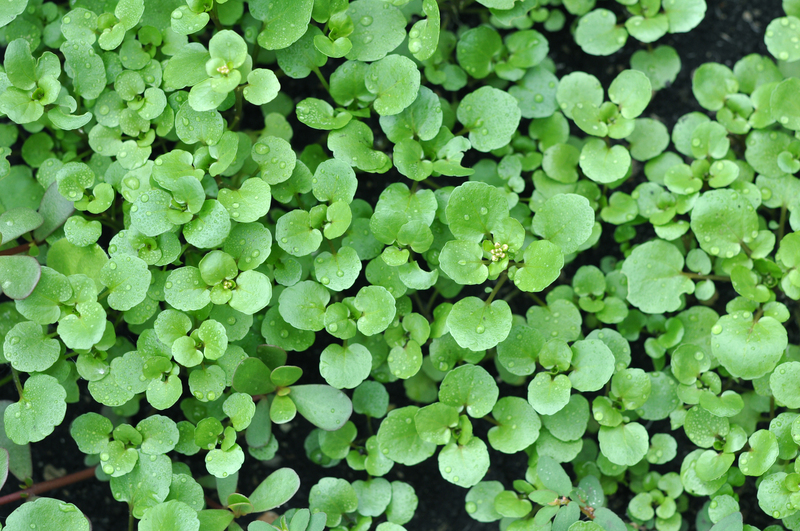
Planting work is often what turns maintenance into something more complete. Fresh beds, renewed borders and carefully chosen shrubs can soften hard edges and improve the way a garden feels throughout the year. We can support planting plans that suit the scale of the space, whether the aim is simple structure, seasonal colour or a cleaner layout that is easier to keep in order.
Bed work needs good judgement because plants do not all behave in the same way. Some need space to fill out, some benefit from regular shaping and some are best used in repeated groups for a stronger visual effect. The right planting choice depends on light, soil and the amount of care you want to give it. When borders have become tangled or tired, selective thinning and replacement often improve the result more than starting from scratch.
Where planting forms part of a bigger refresh, the most useful companion pages are garden maintenance and garden landscapers. If the ground itself needs attention before planting can begin, lawn turf installation may be relevant for areas where a cleaner turf finish is preferable to patch repair.
Price factors, quoting and how to request the right scope

Garden work is usually priced according to the type of task, the size of the area, the condition of the garden and the amount of labour needed to complete it properly. A tidy lawn cut is not the same as a clearance visit or hedge reduction, and the difference is not only time but also disposal, access and the level of finishing required. If several jobs are combined, the quotation should reflect the full scope rather than one isolated task.
To keep the process straightforward, it helps to describe what you would like done in plain terms and mention anything that may affect the job, such as overgrowth, restricted access or specific areas that need extra attention. If you already know the outcome you want, say so. If you are unsure, we can help shape the work into a practical sequence. Clear information usually leads to a clearer quote and a more realistic plan.
When you are ready to move on, request a quotation through our contact us page, or use pricing and quotes if you want to look at the service structure first. If you prefer to keep it simple, just send the main details and we can take it from there.