Guide to Professional Pruning Methods for Mature Trees
Mature trees are a bit like old house friends: sturdy, familiar, and full of character, but they still need thoughtful care. A badly cut branch can set a tree back for years, while the right pruning can improve structure, reduce risk, and help it keep its shape without looking butchered. This guide to professional pruning methods for mature trees explains what skilled arborists actually do, why timing and cuts matter, and how to approach established trees without causing avoidable stress.
Whether you are looking after a garden specimen, a roadside tree, or a small cluster of older trees that have simply been left to do their own thing for too long, the aim is the same: protect the tree while improving safety, health, and form. That sounds straightforward. In practice, there are a few judgement calls that make all the difference. Let's walk through them properly.
Table of Contents
- Why professional pruning of mature trees matters
- How professional pruning works
- Key benefits and practical advantages
- Who this is for and when it makes sense
- Step-by-step guidance
- Expert tips for better results
- Common mistakes to avoid
- Tools, resources and recommendations
- Law, compliance, standards and best practice
- Options, methods and comparison table
- Case study or real-world example
- Practical checklist
- Conclusion
- Frequently asked questions
Why professional pruning of mature trees matters
Mature trees are not just bigger versions of young trees. Their crowns are wider, their limbs are heavier, and their internal structure has usually been shaped by decades of weather, shading, past pruning, storm damage, and competition. That means the wrong cut can do more than ruin the appearance. It can expose decay, weaken unions between branches, or trigger a burst of weak regrowth that creates more problems later.
Professional pruning matters because mature trees often require a steadier hand and a clearer plan. A good arborist is not simply removing wood. They are making decisions about load, balance, light penetration, target risk, and how much live foliage the tree can comfortably lose in one visit. In our experience, that last part is where DIY work often goes wrong. People see one awkward branch and remove three or four more for good measure. It can look neat for a week. Then the tree starts responding in ways nobody wanted.
Another reason this topic matters is safety. Large branches near roofs, driveways, footpaths, boundaries, or power lines need careful assessment before any work begins. If a mature tree has deadwood, rubbing limbs, or heavy overextended branches, pruning can reduce the chance of failure during wind or wet weather. But if the tree is already under stress, over-pruning can increase risk rather than reduce it. A professional approach balances those trade-offs, rather than guessing.
There is also an aesthetic side that people do not always mention. A well-pruned mature tree still looks like itself. It keeps its natural line and proportions. That matters in a garden where the tree is part of the whole feel of the place. Nobody wants a beautiful old oak to end up looking like a lollipop on stilts. To be fair, trees rarely thank us for vanity cuts.
How professional pruning works
Professional pruning starts with inspection, not with the saw. The arborist looks at species, age, vigour, crown shape, visible defects, previous pruning history, and any targets below the canopy. They are trying to answer a few practical questions: What needs to come out? What should stay? How much can the tree safely lose? And what is the real purpose of the work?
For mature trees, the main pruning methods are usually selective rather than heavy-handed. Selective pruning means removing specific branches for a reason. That may include deadwood, crossing limbs, weakly attached stems, low branches obstructing access, or a branch that is too long for its diameter and likely to snap in wind. The cut itself is usually made just outside the branch collar, where the tree can compartmentalise the wound more effectively. No, that does not mean the tree "heals" in the human sense. It means it seals and walls off damage as best it can.
Professionals also pay attention to the tree's growth response. If you remove too much of the canopy, the tree may produce lots of upright shoots. These are often called epicormic shoots or water sprouts. They can look lively at first, but they are frequently weakly attached and need ongoing management. That is why proper pruning is about restraint. Less can genuinely be more.
Depending on the species and condition, a professional may recommend crown reduction, crown thinning, crown lifting, deadwood removal, or a combination of these. Each has a different purpose. Reduction shortens selected branches to reduce overall spread or height. Thinning opens the canopy to improve light and wind movement. Lifting removes lower branches to create clearance. Deadwood removal does exactly what it says, though even that needs judgement because some dead wood can have ecological value in the right setting.
In a front garden near a busy pavement, for example, the goal may be to reduce low branch encroachment without changing the tree's natural shape too much. In a large back garden, the same tree might need only deadwood removal and light thinning. Context matters more than a one-size-fits-all rule.
Key benefits and practical advantages
When done properly, pruning mature trees offers a lot more than a tidy appearance. The benefits are practical, and in many cases they show up gradually over months rather than immediately. That is normal. Trees work on tree time, which is a slower sort of schedule.
- Improved safety: Reduces the chance of falling deadwood or overloaded limbs causing damage.
- Better tree structure: Helps maintain balanced growth and stronger branch architecture.
- More light and airflow: Useful for lawns, borders, paths, and nearby planting.
- Healthier canopy management: Removes dead, diseased, or rubbing material before it spreads problems.
- Longer useful life: Sensitive pruning can help mature trees remain stable and attractive for longer.
- Better access and usability: Makes drives, entrances, and garden spaces easier to use.
There is also a planning benefit. A tree that is pruned regularly and sensibly is often easier to manage than one that is left alone for years and then "rescued" in one big cut. The latter approach can be stressful for the tree and more expensive for the owner. A measured maintenance cycle is usually the better value, even if it feels less dramatic.
One other advantage that gets overlooked is neighbour relations. Branches overhanging boundaries, blocking light, or dropping debris can become a point of friction. Professional pruning, carried out carefully and in line with local expectations, can prevent a lot of awkward conversations over the fence. Not glamorous, but useful.
Who this is for and when it makes sense
This guide is for anyone responsible for mature trees, including homeowners, landlords, property managers, schools, businesses, and anyone caring for larger established trees in private or shared outdoor spaces. It is also useful for people who are not sure whether their tree needs work at all. That uncertainty is common. Mature trees often look fine right up until a strong wind reveals a hidden weakness.
Professional pruning usually makes sense when one or more of the following applies:
- the tree has dead, damaged, or diseased branches
- branches are too close to buildings, roads, or footpaths
- the canopy has become overly dense and heavy
- there is rubbing, crossing, or poorly attached growth
- the tree has outgrown its space
- you need clearance for access, light, or maintenance
- the tree was previously topped or badly pruned and now needs corrective care
It is not always the right answer, though. A mature tree that is already stressed by compacted soil, root damage, drought, construction, or pest issues may need diagnosis before pruning begins. Cutting without understanding the broader condition can make things worse. If you are unsure, a proper survey or site visit is usually the sensible next step.
Some jobs are also more sensitive because of setting. A mature tree in a conservation area, near a boundary dispute, or close to a public route may require extra caution and documentation. If the tree matters to the character of the property, it is worth getting the method right rather than just getting it done.
Step-by-step guidance
Here is a practical view of how professional pruning of mature trees normally unfolds. It is not a rigid script, but it gives you a feel for the process.
1. Inspect the tree and define the goal
The first step is a visual assessment. A good professional looks at the tree from several angles and checks the lower stem, scaffold branches, crown density, and any obvious defects. The purpose of the work is then agreed: safety, clearance, shape, health, or a mix of those.
This stage matters because a tree that needs deadwood removal does not need the same treatment as one that needs structural reduction. Getting the goal clear saves a lot of unnecessary cutting. Simple, but often skipped.
2. Choose the right pruning method
Different objectives call for different approaches. For example, crown thinning can improve light without dramatically changing the overall size. Crown reduction shortens selected branches while keeping the tree's outline as natural as possible. Crown lifting creates space underneath. Deadwood removal focuses on safety and tidiness. The best method depends on species, age, and condition.
3. Prioritise branch selection over volume
Professionals are selective. They remove problem branches, not just whatever happens to be easiest to reach. If a branch is rubbing another branch, the better one is usually retained and the weaker or badly positioned one is removed. This sounds obvious, yet the temptation to over-remove is strong when you are standing under a big tree with a saw in hand.
4. Make clean cuts in the right place
Clean cuts help reduce tearing and allow the tree to react more effectively. Branches should generally be cut outside the branch collar, not flush against the trunk and not left with a long stub. Stubs die back slowly and can invite decay. Flush cuts can damage the tree's protective tissues.
5. Maintain balance and proportion
The work should keep the tree visually and structurally balanced. If one side is heavily reduced while the other side is untouched, the tree may become asymmetrical or respond unevenly. In a real garden, that can be very noticeable from the patio looking out in the morning light. A skilled pruning plan respects the overall architecture.
6. Clear up and check the result
Once the pruning is complete, debris should be removed and the tree checked again from a distance. Sometimes a cut looks fine close up but changes the profile more than expected when you step back. That final look is useful. It is where experience really shows.
Expert summary: The safest and most effective pruning on mature trees is usually the least dramatic one that still achieves the job. The goal is improvement, not transformation.
Expert tips for better results
There are a few details that separate decent pruning from genuinely good pruning. None of them are flashy, but they make a real difference.
- Prune with a reason. If you cannot explain why a branch is being removed, pause and re-check.
- Respect species habits. Some trees tolerate reduction better than others. A species with a naturally heavy regrowth response needs a lighter touch.
- Work with the tree's natural form. Mature trees usually look best when their pruning follows existing lines rather than forcing an artificial shape.
- Avoid major cuts in one visit unless essential. Big changes can shock the tree and create more future work.
- Look for weak unions and included bark. These are common in older trees and can influence which limbs should be retained.
- Think about the next three years, not just today. A pruning decision should make sense in the medium term, not only in the immediate aftermath.
If you are managing multiple trees, it also helps to stage work over time rather than tackling every mature tree in one season. That way, you can observe how each tree responds. It is a bit less exciting, maybe, but much smarter.
And one practical point: if the weather has been dry for weeks, or the tree already shows stress, take extra care with the amount removed. Sometimes the best professional decision is to do less this year and come back later. That is not indecision. That is judgement.
Common mistakes to avoid
Mature trees are especially vulnerable to pruning mistakes because they have less tolerance for heavy structural change. A few errors come up again and again.
- Over-pruning: Taking off too much canopy reduces the tree's energy supply and can trigger weak regrowth.
- Topping: Cutting main limbs back to stubs is one of the most damaging practices and usually creates long-term problems.
- Flush cuts: Cutting too close to the trunk can remove important branch-defence tissue.
- Leaving stubs: Stubs are slow to compartmentalise and often die back in an untidy, unhealthy way.
- Pruning at the wrong time: Some species react badly to pruning in certain seasons, especially if sap bleed, pest pressure, or disease risk is a concern.
- Ignoring root or soil issues: A canopy problem may actually be a root-zone problem. Pruning alone will not fix everything.
The biggest mistake, though, is treating all mature trees as if they respond the same way. They do not. An old beech, a sycamore, a lime, and an oak each have their own quirks. Professional pruning takes that into account rather than forcing a generic rule onto every tree in sight.
Tools, resources and recommendations
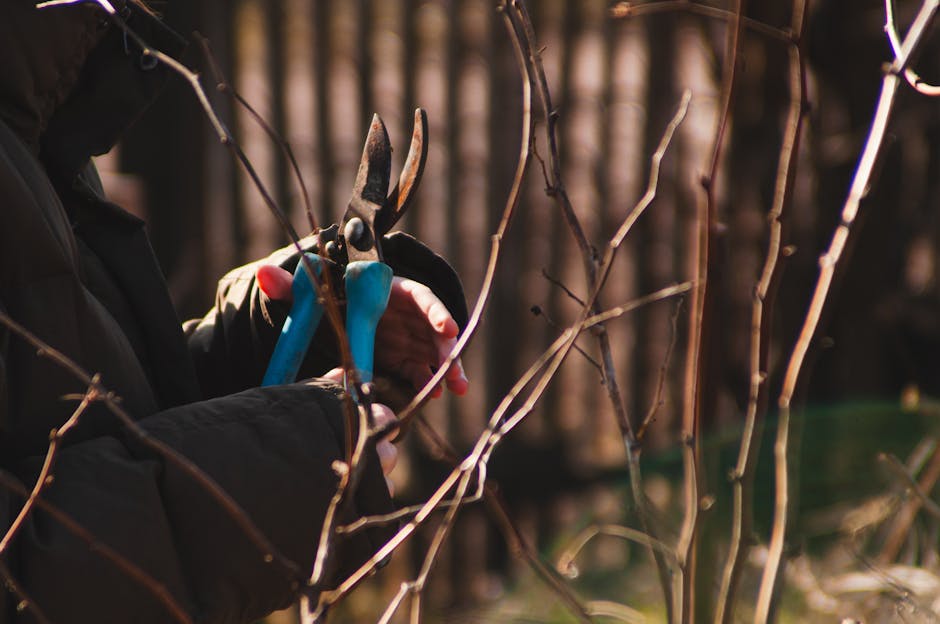
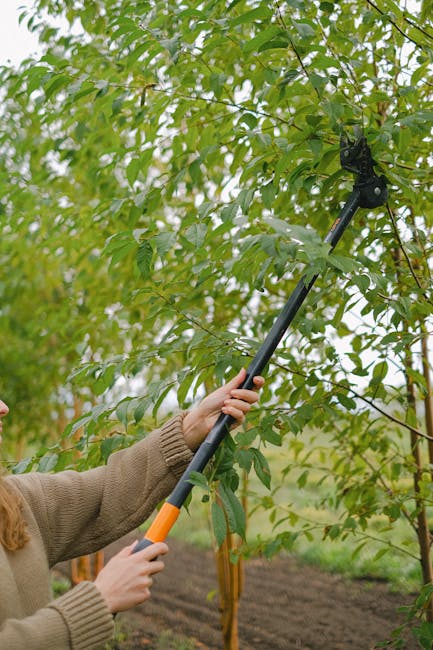
For mature trees, the quality of the tools matters, but technique matters more. A sharp pruning saw, clean secateurs for smaller growth, and appropriate climbing or access equipment are basic requirements. Larger jobs may also involve lowering gear, ropes, harness systems, and trained personnel to manage limbs safely.
From a homeowner's point of view, the most useful resources are not flashy gadgets. They are clear records and sensible questions. Keep notes of when work was done, what was removed, and any visible changes afterward. That makes future decisions easier. If a tree has a history of repeat dieback or heavy regrowth, those notes become surprisingly valuable.
When choosing a contractor, look beyond the price alone. Ask about pruning method, waste removal, timing, and what happens if the tree is protected or the site is awkward. If you want to compare options or request a clear breakdown, the pricing and quotes page is a sensible place to start. If you have questions before booking, contact the team directly and talk through the tree's condition and your goals.
For broader trust and service information, it can also help to review the company's about us page, along with its insurance and safety information and health and safety policy. Those pages matter more than people think. They tell you whether the business takes the practical side seriously, not just the sales side.
Law, compliance, standards and best practice
Pruning mature trees is not only a technical task; it can also involve legal and safety responsibilities. In the UK, tree work may be affected by preservation orders, conservation area controls, ownership boundaries, and the general duty to avoid negligence or unsafe work. The exact requirements depend on location and circumstance, so it is wise to check before work starts rather than after the saw has already come out.
Professional best practice usually includes proper risk assessment, suitable access planning, and waste handling that avoids creating hazards for the public or property. Contractors should work within recognised arboricultural norms, use suitable protective equipment, and ensure the site is left tidy and safe. That should not be treated as a luxury. It is part of the job.
If waste is produced from pruning, responsible disposal and recycling are also worth considering. Branches, chip, and logs can often be reused or processed sustainably depending on the site and service offered. For readers who care about that side of things, the recycling and sustainability page explains the broader approach.
There is another compliance angle that sometimes gets overlooked: fairness, transparency, and clear terms. Understanding how work is scheduled, paid for, and handled if something goes wrong helps avoid frustration later. If you want to review those basics, the terms and conditions, payment and security, and complaints procedure pages are useful reference points. For privacy or site-use questions, the privacy policy, cookie policy, and accessibility statement are there too.
Options, methods and comparison table
Not every mature tree needs the same kind of pruning. The table below gives a practical comparison of the most common approaches.
| Method | Main purpose | Best for | What to watch for |
|---|---|---|---|
| Crown thinning | Lighten the canopy and improve airflow | Dense trees with healthy structure | Avoid over-thinning or creating a sparse, unnatural look |
| Crown reduction | Reduce height or spread while retaining form | Overextended branches, clearance issues | Too much reduction can trigger weak regrowth |
| Crown lifting | Raise clearance below the canopy | Paths, lawns, driveways, access routes | Do not remove too many lower limbs at once |
| Deadwood removal | Remove dead or broken branches | Safety-focused maintenance | Some deadwood can support wildlife in suitable settings |
| Selective structural pruning | Improve long-term branch architecture | Mature trees with weak attachments or rubbing limbs | Requires good judgement and a longer-term view |
One question worth asking is: what result do you actually want? If the answer is "more light," the method may be different from if the answer is "less wind resistance" or "clear the roof edge." The clearer the goal, the better the pruning plan.
Case study or real-world example
Imagine a mature lime tree in a suburban garden. It has a broad canopy, some lower branches shading a patio, and a few dead twigs scattered through the outer crown. The owner is worried it is "too big," but they also love how it looks from the kitchen window. Fair enough.
A professional would usually avoid severe reduction. Instead, they might recommend a measured crown thin to improve light, removal of deadwood for safety, and modest lifting to create better clearance over the seating area. The aim would be to keep the tree's shape while reducing the sense of bulk near the house. That often delivers what the homeowner wants without making the tree fight back with a cloud of vigorous new shoots the following spring.
Now compare that with a mature tree beside a narrow access drive. In that case, the same species might need a different balance: more clearance, careful reduction of a few long limbs, and a stronger focus on safe movement beneath the canopy. Same tree type, very different job. That is the real lesson here. Mature tree pruning is site-specific, not copy-and-paste work.
Practical checklist
Use this quick checklist before any pruning work on a mature tree:
- Confirm the tree's main goal: safety, clearance, health, or shape
- Check for visible signs of stress, disease, decay, or dieback
- Identify any nearby targets such as roofs, roads, boundaries, or play areas
- Consider whether the tree may be protected or otherwise sensitive
- Choose a method that matches the species and condition
- Avoid removing more canopy than is necessary
- Ensure cuts are clean and positioned correctly
- Plan for waste removal and site clean-up
- Review the result from a distance before finishing
- Record what was done for future maintenance
Quick takeaway: If the pruning plan is clear, selective, and respectful of the tree's natural structure, the tree is far more likely to respond well. That is the sweet spot.
Conclusion
Professional pruning methods for mature trees are all about balance: enough intervention to improve safety, access, and tree health, but not so much that you create fresh problems. The best work usually looks calm and almost invisible from a distance. The tree still looks like itself, just lighter, safer, and a little better placed for the years ahead.
If you remember only one thing, let it be this: mature trees reward patience. Heavy-handed cuts may feel decisive, but the better long-term results almost always come from selective, well-timed pruning carried out with a proper understanding of the tree's structure. That is where the expertise really shows.
Get a free quote today and see how much you can save.
And if you are standing under a big tree wondering whether it needs a tidy-up or a proper structural rethink, that uncertainty is normal. The sensible next step is simply to ask for a professional opinion and make the decision from there. Trees have a way of reminding us that good care is usually quiet, careful work. That is no bad thing.
Frequently Asked Questions
What is the best pruning method for mature trees?
There is no single best method for every mature tree. The right approach depends on the tree's species, age, condition, and the reason for the work. Crown thinning, crown reduction, crown lifting, deadwood removal, and selective structural pruning all have different uses.
Can mature trees be pruned too much?
Yes. Over-pruning is one of the most common problems. Removing too much canopy can stress the tree, reduce energy production, and lead to weak regrowth. Mature trees generally need a lighter hand than younger trees.
When is the best time to prune a mature tree in the UK?
It depends on species and purpose. Some trees are best pruned in dormant periods, while others are better handled at specific times to reduce sap bleeding or disease risk. A professional will usually time the work to suit the tree rather than a fixed calendar rule.
Is crown reduction bad for mature trees?
Not necessarily. A careful crown reduction can be a useful way to reduce size or weight while preserving the tree's shape. Problems usually happen when the reduction is too severe or repeated without good reason.
How do I know if my mature tree needs pruning or removal?
If the tree is still structurally sound and the issues are mainly clearance, deadwood, or moderate shape concerns, pruning may be enough. If there is extensive decay, major root damage, or serious instability, removal or a fuller arboricultural assessment may be more appropriate.
Will pruning make a mature tree grow faster?
Pruning can stimulate new growth, especially if the cuts are heavy. That growth is not always desirable, though. A skilled approach aims to manage growth, not simply trigger more of it.
Do mature trees recover well after pruning?
Many do, if the pruning is selective and proportionate. Recovery depends on the species, the season, the amount removed, and the tree's overall health. A healthy mature tree usually copes much better than a stressed one.
What should I ask before hiring someone to prune a mature tree?
Ask what method they recommend, why it is suitable, how they will protect the site, whether they are insured, and how waste will be handled. A clear answer is a good sign. A vague answer is not.
Can I prune a mature tree myself?
Small dead twigs or very light trimming may be manageable for some homeowners, but large mature trees are a different matter. Height, weight, access, and structural risk make professional work the safer choice in most cases.
Does pruning help with storm damage prevention?
It can help, especially when the work removes deadwood, weak attachments, or poorly balanced limbs. That said, no pruning can make a tree storm-proof. The aim is to reduce avoidable risk, not eliminate it entirely.
What is the difference between thinning and reduction?
Thinning removes selected branches to reduce density while keeping the overall size more or less the same. Reduction shortens the tree's outer canopy to reduce height or spread. They solve different problems, so the distinction matters.
How often should mature trees be inspected or pruned?
Inspection frequency depends on species, age, location, and previous issues. Some mature trees only need periodic checks and occasional pruning, while others need a more regular maintenance plan. If a tree is near a house, path, or busy area, more frequent review is sensible.